


Menu

Levi Moskowitz
(469) (2)
Tattoo Stencils , Tattoo Aftercare , Tattoo Machines , Tattoo Inks , Tattoo Needles , Tattoo Shop , Sponsored Artists , Tattoo History
Biocides and Disinfection in Tattoo Studios: Why It Matters
Tattooing is a professional practice where skin is intentionally broken, making hygiene and disinfection absolutely critical. Beyond artistic skill, tattoo artists must understand biocides, microbiological risks, and regulatory obligationsto protect clients, staff, and themselves.
This article breaks down the key principles of biocide use, disinfection protocols, toxicology, and safety documentation, translating complex regulatory concepts into practical knowledge for tattoo studios.
What Are Biocides?
Biocides are chemical substances designed to destroy, neutralize, or control harmful organisms, including:
In tattoo studios, biocides are commonly found in:
Under European Regulation (EU No. 528/2012), biocides are strictly classified, regulated, and monitored.
Tattoo Hygiene & Disinfection Products
Why Disinfection Is a Major Issue in Tattooing
Tattoo studios are environments where cross-contamination risks exist if hygiene is not strictly controlled.
Key risk factors include:
Disinfection helps:
Microbiology Basics Every Tattoo Artist Should Know
Common Microorganisms in Tattoo Environments
Tattoo-related infections often involve:
These microorganisms can originate from:
Bacteria reproduce rapidly under favorable conditions such as warmth, moisture, and nutrients — all of which can exist during tattooing.
Cleaning vs Disinfection: Not the Same Thing
A key concept often misunderstood is the difference between cleaning and disinfection.
Cleaning
Disinfection
In tattoo studios, cleaning should be routine, while disinfection is required in risk situations, such as blood contact.
Safety Data Sheets (SDS / FDS): Mandatory Knowledge
Every biocidal product used in a tattoo studio must come with a Safety Data Sheet (SDS).
An SDS includes:
Tattoo professionals must:
Safe Storage of Biocidal Products in Tattoo Studios
Biocidal products must be stored properly to ensure:
Recommended Storage Conditions
Improper storage can lead to chemical exposure, reduced product efficiency, or regulatory issues.
Toxicology: Understanding Exposure Risks
Biocides can cause:
Exposure risk increases with:
Tattoo artists should always:
Waste Management: A Legal Responsibility
Tattoo studios are legally responsible for the entire lifecycle of their waste, including:
Waste must be handled by authorized collectors, and improper disposal can result in penalties.
Tattoo Studio Accessories & Consumables
Why This Knowledge Matters for Professional Studios
Understanding biocides and disinfection helps:
Professional tattooing is not only about art — it’s about controlled, safe, and responsible practice.
Conclusion
Tattoo studios operate at the intersection of art, health, and regulation. Knowing how to use biocidal products correctly, understanding microbiological risks, and following proper disinfection protocols is essential for modern tattoo professionals.
At Baker Tattoo Supply, we support professional studios with:
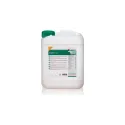
ISORAPID disinfectant spray - 5 Liter
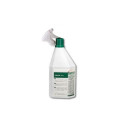
Maxi economical bottle - Rapid surface disinfectant, broad spectrum and l...

Antibacterial soap for hygienic hand washing. 500ml
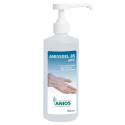
Anios hydroalcoholic gel, for hand disinfection by friction. Virucide, bac...

1kg Pot


check_circle
check_circle
 Whatsapp